The pad is the one part of a build nobody sees and everybody feels. Get it right and the slab pours flat, the driveway drains and the yard stays dry. Get it wrong and you spend years fighting water.
Around Effingham County the ground is sand over clay in most places, with a high water table in the low spots. That combination drains fast on top and holds underneath, which is exactly the condition that fools people into building too low.
Step one, walk the water before you clear anything
Before a machine touches the property, we want to know where water goes when it rains hard. That means looking at the low corners, the ditch line, the culvert under the road and where your neighbor's runoff enters.
This is the cheapest hour of the entire project and it decides where the pad goes. Moving a pad on paper costs nothing. Moving it after fill is delivered costs thousands.
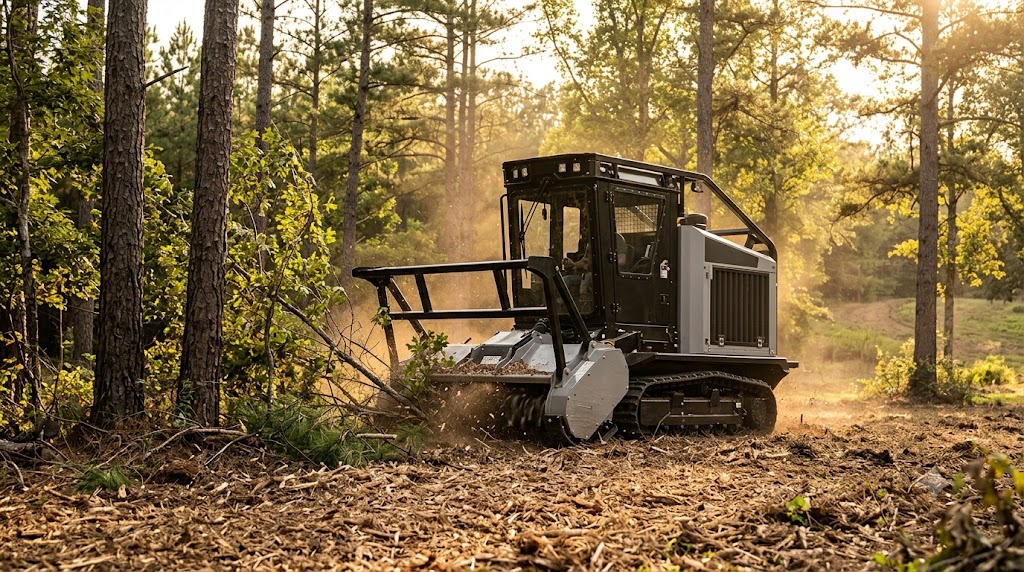
Step two, clear and stump the footprint properly
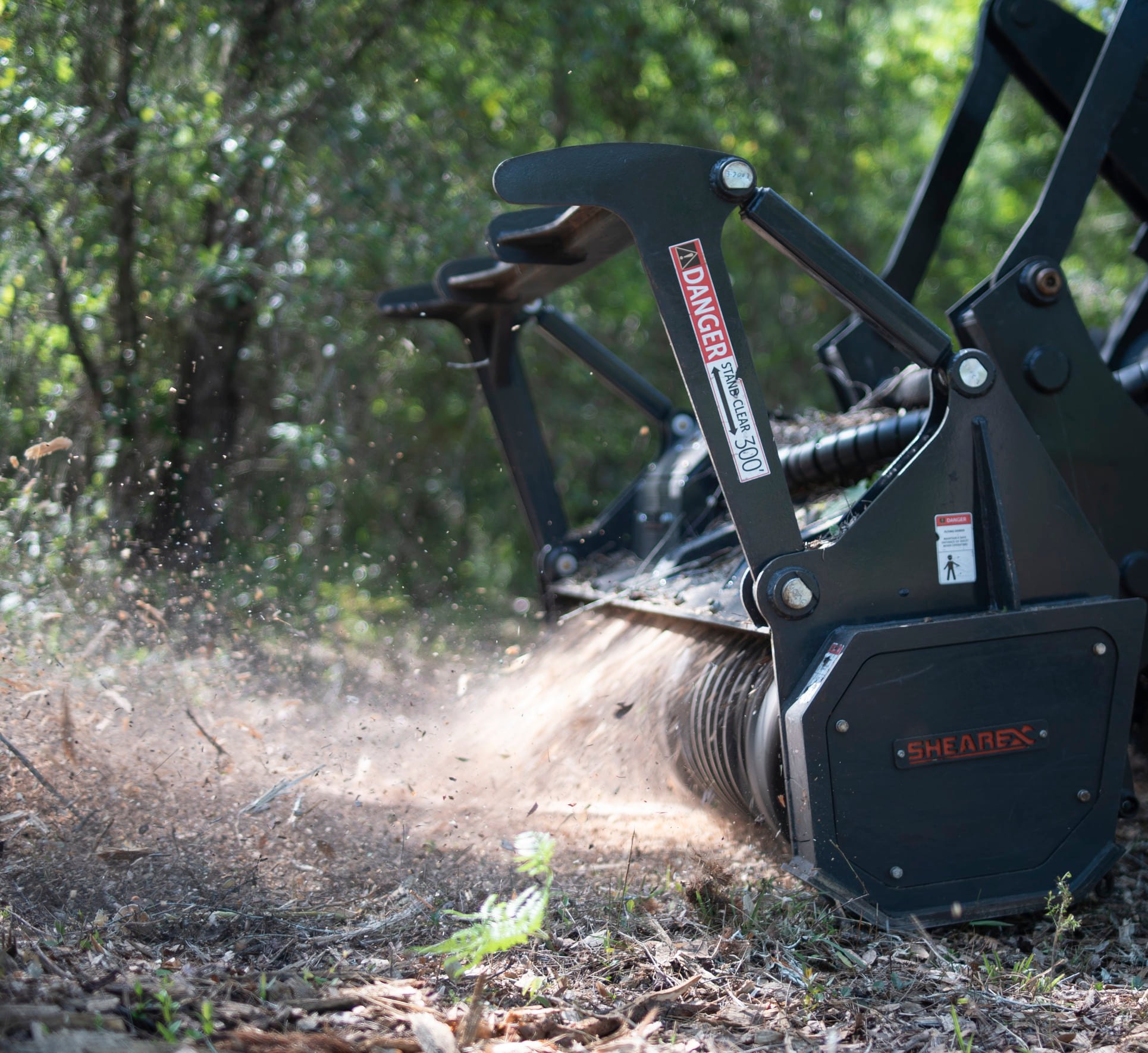
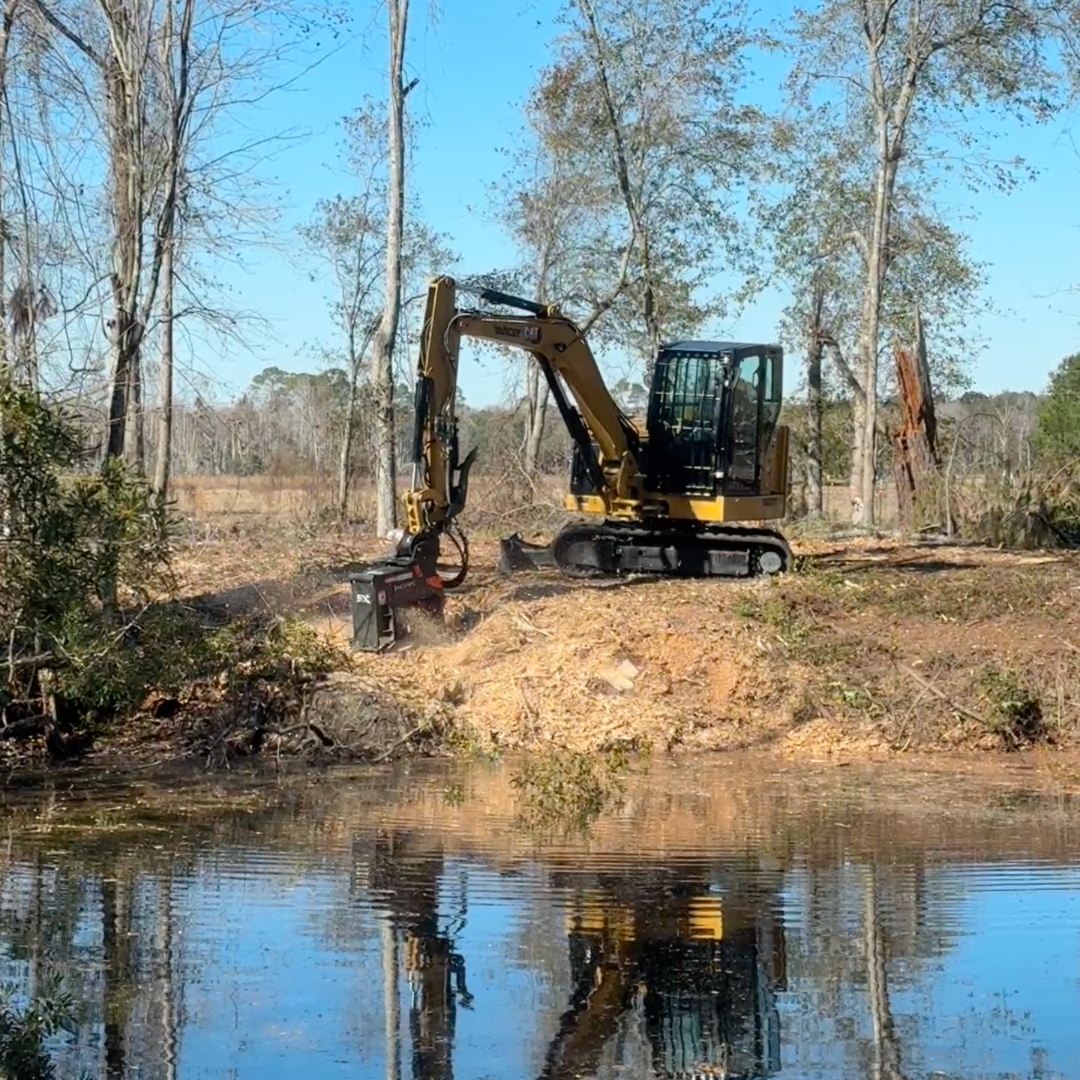
Every stump and root ball under the pad has to come out. Organic material left buried under fill will rot, compress and take your slab with it. That is not a maybe, it is a schedule.
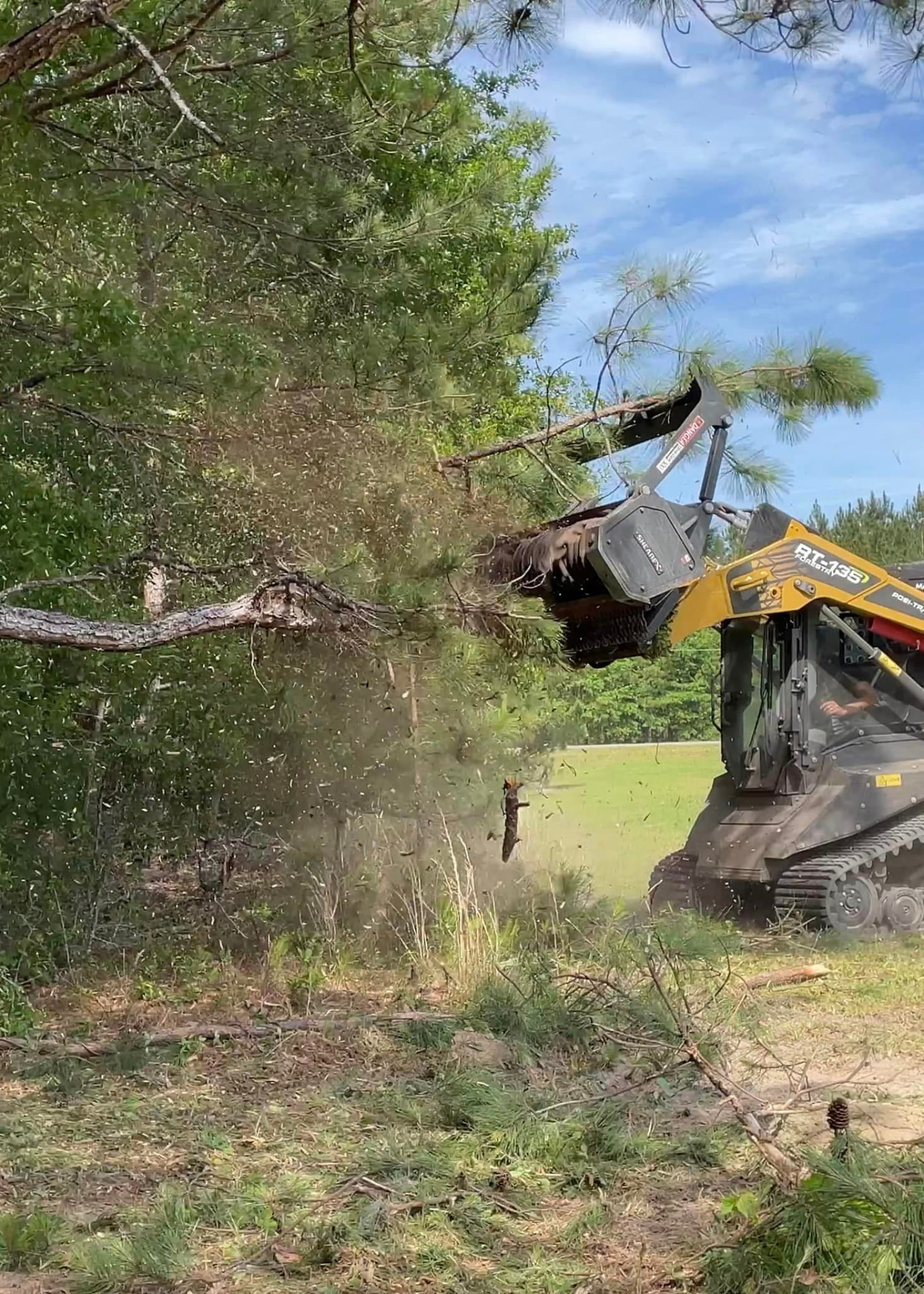
Clear wider than the house itself. You need room for the drive, the turnaround, staging for materials and the septic field, plus enough setback that the treeline is not dropping limbs on the roof in five years.
Step three, build the pad up and compact it in lifts
Fill goes in layers, not all at once. Each lift gets compacted before the next one goes on. Dumping three feet of fill and rolling the top gives you a pad that looks finished and settles unevenly within a year.
- Build above the surrounding grade so water leaves the pad on every side
- Compact in lifts, not in one push
- Crown the surface so nothing ponds during construction
- Keep the fill clean, no stumps or brush buried in it
Step four, the driveway and the culvert
The drive is part of the pad job whether it is quoted that way or not. Concrete trucks, lumber deliveries and a framing crew all need to reach the site in whatever weather shows up.
Put the culvert where the water actually runs rather than where it is convenient, crown the drive so it sheds, and get base rock down before the heavy deliveries start. A drive that fails during the build costs more to fix mid project than it did to build.
The mistakes that cost the most
Building the pad level with the yard instead of above it. Burying debris in the fill. Skipping compaction because the schedule was tight. Putting the drive in last. Every one of those shows up later at a worse price.
Pay attention to water first, remove everything organic under the pad, compact in lifts and build the drive early. The rest of the build gets easier.